Head & Neck Cancer Treatment in Aurangabad - Dr. Tushar Mule

Head and Neck Cancer

Head And Neck Cancer

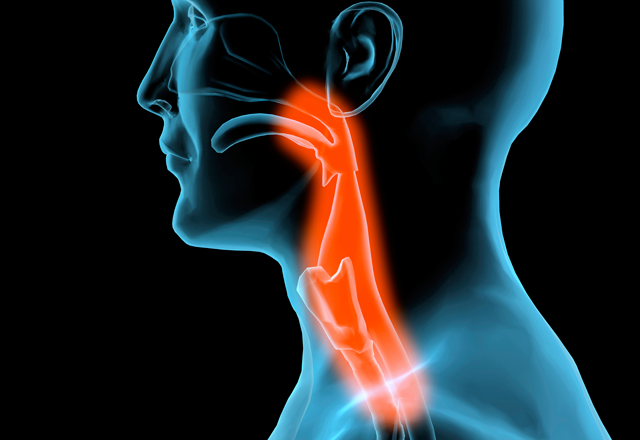
Head and neck cancers involve cancers of the mouth (oral cancers) and the throat, as well as rarer cancers of the nose, sinuses, salivary glands, and middle ear.

  • MOUTH CANCERS (ORAL CANCERS):The mouth is the most common place for head and neck cancer to grow. Mouth cancer can improve on the lip, the tongue, the floor of the mouth (under the tongue), the inside of the cheek, the roof of the mouth (the hard palate), the area behind the wisdom teeth or the gum.

  • LIP CANCER:Most lip cancers happen on the bottom lip.

  • CANCER OF THE ORAL CAVITY (INSIDE THE MOUTH):The most common places for cancer to improve inside the mouth are the side of the tongue and the floor of the mouth.

  • THROAT CANCERS: Cancer Doctors use several names to represent various areas of the throat and the cancers that can develop there.

  • CANCER OF THE NASOPHARYNX: The nasopharynx is the most important part of the throat behind the nose. Cancers that happen here are called nasopharyngeal cancers.

  • CANCER OF THE OROPHARYNX:The oropharynx is the section of the throat directly behind the mouth. It includes the soft part of the roof of the mouth (the soft palate), the base of the tongue (the part you can’t see), the tonsils and the back and sidewalls of the throat.

  • The most popular places in the oropharynx for cancer to improve are the tonsils and the base of the tongue. We have more information about cancer of the oropharynx.

  • CANCER OF THE VOICE BOX (LARYNX): This is the second most common place for head and neck cancer to grow. CANCER OF THE THYROID GLAND: Cancer can also increase in the thyroid gland. It is managed differently from other types of head and neck cancer.

Risk Factors For Head And Neck Cancers

Signs And Symptoms Of Cancer

Common symptoms include:

  • An ulcer in the mouth that doesn’t fix within several weeks
  • Difficult to wallowing or pain when chewing or swallowing
  • Changes to your voice (for example, hoarseness)
  • A continuous sore throat and earache on one side

Less common symptoms include:

  • A detached tooth
  • A blocked nose or nosebleeds
  • Pain in the face or upper jaw.

Although these signs & symptoms can be produced by conditions other than cancer, it’s important to have them checked out by your Cancer Specialist, particularly if they continue

Lumps in the neck:

  • If cancer in the mouth or throat flows from where it started, the first place it will usually develop is the lymph nodes in the neck. Lymph nodes are small, bean-shaped structures that are part of the lymphatic system.

  • cancer may start to grow in the lymph nodes.

  • Enlarged lymph nodes are much more likely to be due to infection than to cancer. But if you have a lump on your neck that hasn’t gone away within 3-4 weeks, it should be examined by a cancer specialist doctor.

Diagnosis

At the hospital: You’ll see a cancer specialist who will ask you about your signs & symptoms as well as any health conditions or recent illnesses. They’ll probably also ask if you’ve noticed any changes in your voice, swallowing, breathing, appetite or weight. After this, they will fully examine your mouth, throat, and neck and explain which tests you need.

Biopsy: One of the important tests for diagnosing cancer is a biopsy. This includes taking a sample of cells from the area that looks strange. cancer doctor, known as a pathologist, looks at the sample under the microscope and checks for any cancer.

Incision Biopsy: An incision biopsy means cutting a thin slice of tissue from the area to be tested. Your doctor will numb the area first with a local anesthetic. Then they cut around it using a sharp knife (scalpel) and remove a sample of tissue. Depending on the size of the piece of tissue removed, you may need to have some stitches put in to join the remaining tissue together and help it heal.

Fine needle aspiration (FNA): This is a simple test that you can have done as an outpatient. It’s often used to check neck lumps but it can also be done to take samples from areas in the mouth or throat.

The cancer specialist doctor passes a fine needle into the lump to take a sample of cells. You may feel a little trouble while this is being done. Sometimes the doctor uses an ultrasound scan to help guide the needle into the area to be sampled.

Examination under anesthetic: Sometimes a biopsy is taken while you’re asleep under a general anesthetic. This allows the cancer specialist to examine the area closely and to remove a larger area of tissue and/or take samples from any other areas that look abnormal. Usually, this test can be done as day surgery and most people are able to go home the same day.

  • If the biopsy shows that there is cancer, further tests will be done to find out its size and position, and to see whether it has spread.

  • CT (computerized tomography) scan or MRI scan or PET scan may be performed